RESEARCHERS AT THE DANISH INSTITUTE AT ATHENS
Read more about the researchers at the Institute and their projects

Sanne Hoffmann
Director
Sanne Hoffmann holds a MA in Classical Archaeology from the University of Copenhagen (2011) and a PhD from Aarhus University (2019). She has held positions as project researcher and postdoctoral researcher at the Collection of Classical and Near Eastern Antiquities in the National Museum of Denmark, and as an external lecturer at the University of Copenhagen. She has participated in several archaeological field projects, primarily in Greece on the Danish projects in Piraeus and Kalydon, but also in Cyprus, Italy, Ukraine, and Denmark – both above and below water. Sanne's primary field of research is Greek cult, in particular rituals, dedicatory practices, and the structure and use of the sacred space. In 2023 she published her monograph: “Between Deity and Dedicator: The Life and Agency of Greek Votive Terracotta Figurines”. Together with Niels Bargfeldt, Sanne is also part of the project “In the House of the Goddess”, which is recreating the Athana Lindia Sanctuary on Rhodes in a virtual reconstruction. Since June 2026 she has been PI on the Semper Ardens Accelerate research project: ”Cape Samonion Archaeological Project (CaSAP) - From Sand and Salt: A Sanctuary at the Edge of Water" , and co-director on the included field work in Crete, together with the Greek Ephorate of Underwater Antiquities.
Sanne started as assistant director at the Institute in October 2022 and became director in February 2024.
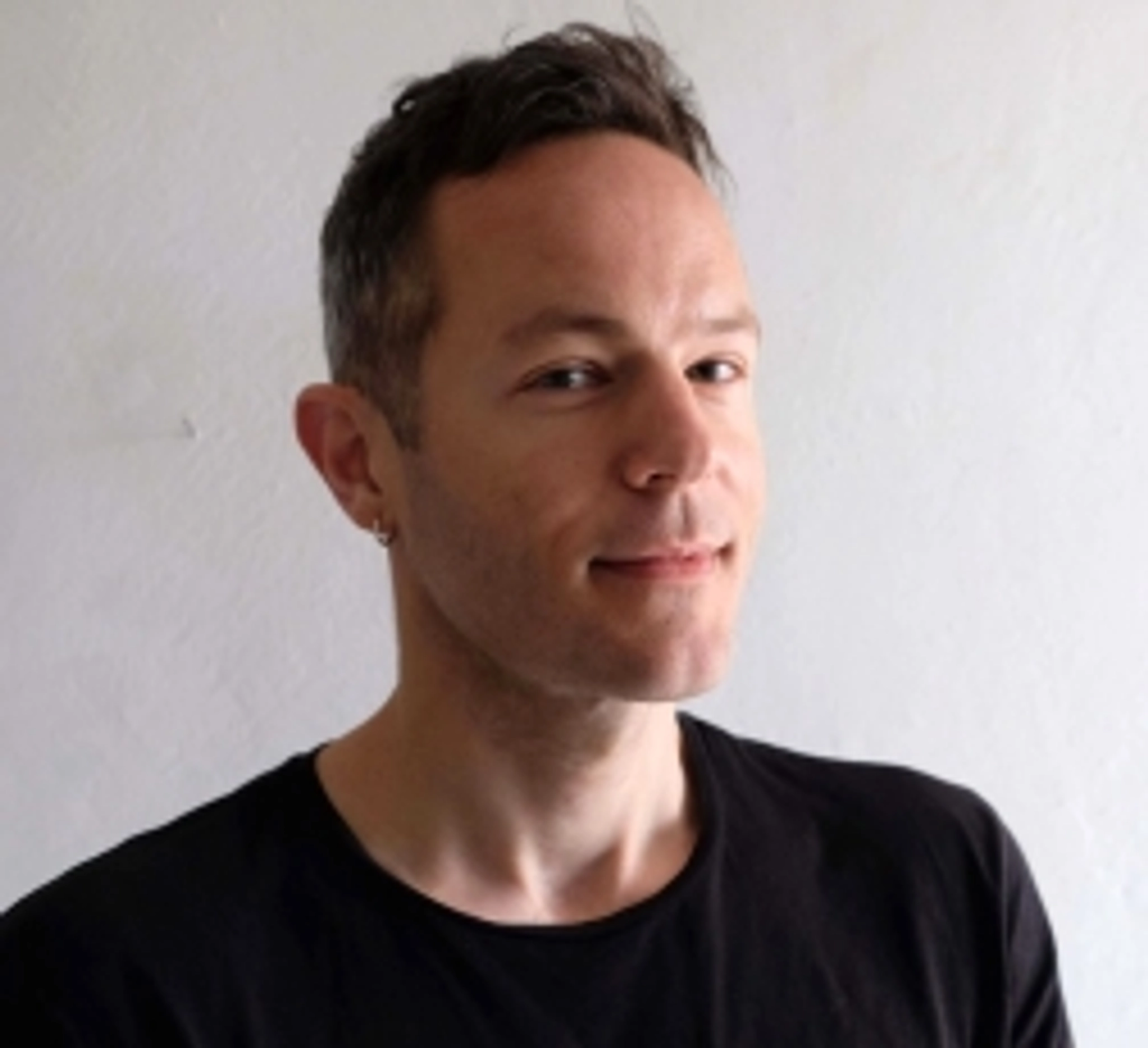
Rasmus Sevelsted
Assistant Director
Rasmus Sevelsted did his PhD in Copenhagen and has since been a postdoctoral researcher at the Faculty of Classics, University of Cambridge, and the Saxo-Institute, University of Copenhagen. Rasmus’ work focuses on aesthetics and art theory, especially the role of art and poetry in Plato’s dialogues and Plato’s influence on later European aesthetics and poetics. He is currently finishing a monograph on art and aesthetic theory in Plato’s Republic.
In addition, he has published on 19th century Hellenism and the reception of Plato in German and Danish theory (especially in Kierkegaard), and he has published and taught modules on Greek poetry and philosophy, aesthetic theory, gender theory as well as translation and translation theory. His future research at the Danish Institute at Athens focuses on the idea of Greece in 18th century German aesthetics and its reception, use and transformation among Danish romantic philosophers and poets.
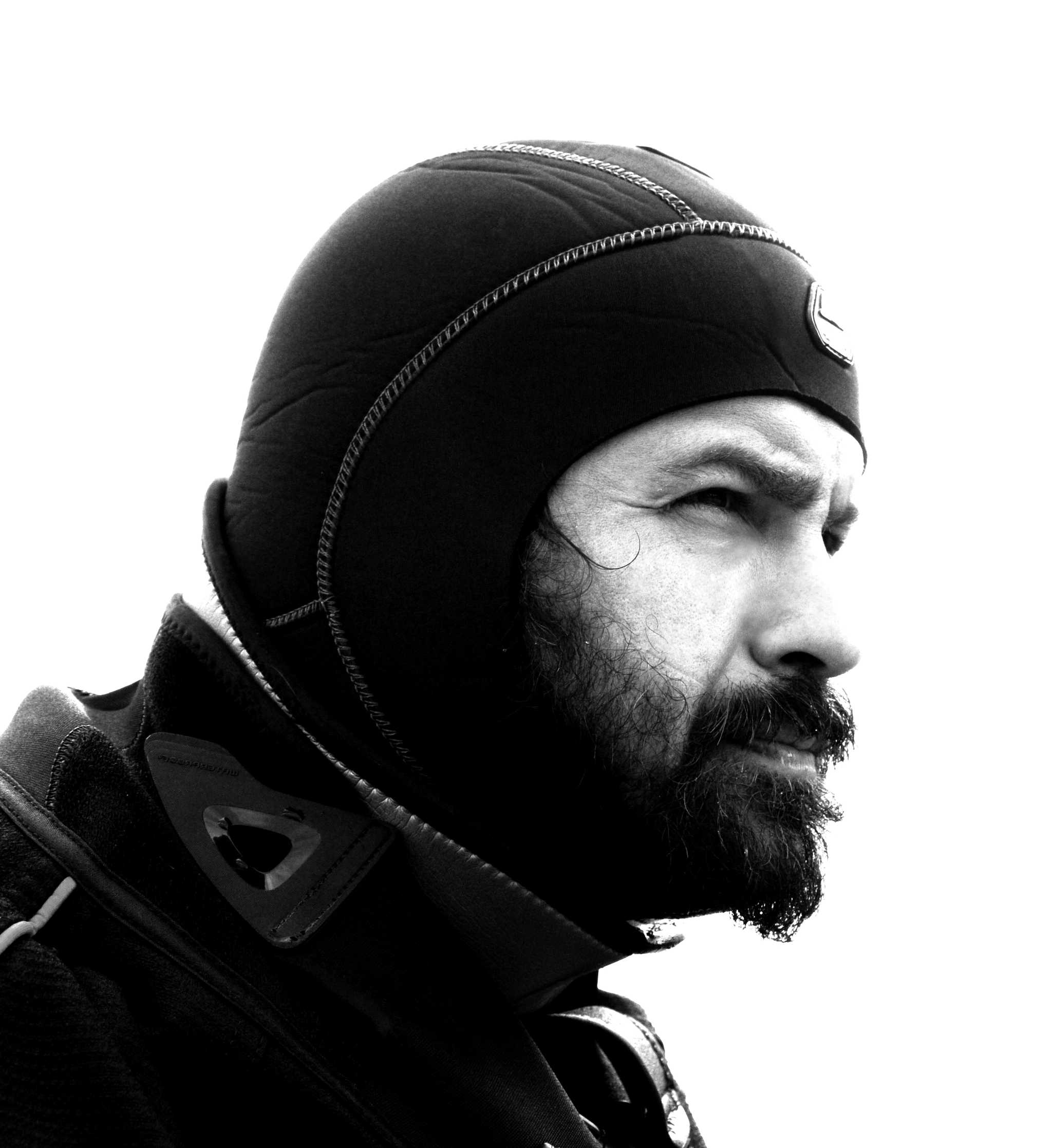
Alexandros Tourtas
Postdoctoral fellow
Alexandros Tourtas holds a BA in Archaeology from Aristotle University of Thessaloniki (2007), an MSc in the Protection, Conservation and Restoration of Cultural Monuments from Aristotle University of Thessaloniki (2010), an MA in Maritime Archaeology from the University of Southampton (2014), and a PhD from Aristotle University of Thessaloniki (2017), focusing on the protection and management of underwater archaeological sites. He is currently a postdoctoral researcher at the Danish Institute at Athens in collaboration with the Department of History and Archaeology at Aristotle University of Thessaloniki, where he is investigating Greek maritime cultural landscapes through an integrated theoretical and methodological approach.
His research lies at the intersection of maritime archaeology, digital archaeology, archaeological theory, and underwater cultural heritage management, with particular emphasis on integrating terrestrial, coastal, and underwater evidence into holistic interpretations of human interaction with maritime environments. He has participated in numerous archaeological projects in Greece and abroad, including the Antikythera Shipwreck, Lechaion Harbour, Palaikastro, Olous, Yeronissos (Cyprus), and the Cape Samonion Archaeological Project (CaSAP), where he is involved in the organization and co-direction of the fieldwork.
At the Danish Institute at Athens, Alexandros' postdoc is part of the Carlsberg Foundation Semper Ardens Accelerate research project: ”Cape Samonion Archaeological Project (CaSAP) - From Sand and Salt: A Sanctuary at the Edge of Water", and his research focuses on developing the concept of waterscape archaeology as an integrated approach to the study of Greek maritime cultural landscapes, combining archaeological, environmental, spatial, and ethnographic perspectives.